So let’s break it down in a simple, practical way — no complicated explanations, just clear information that actually helps.
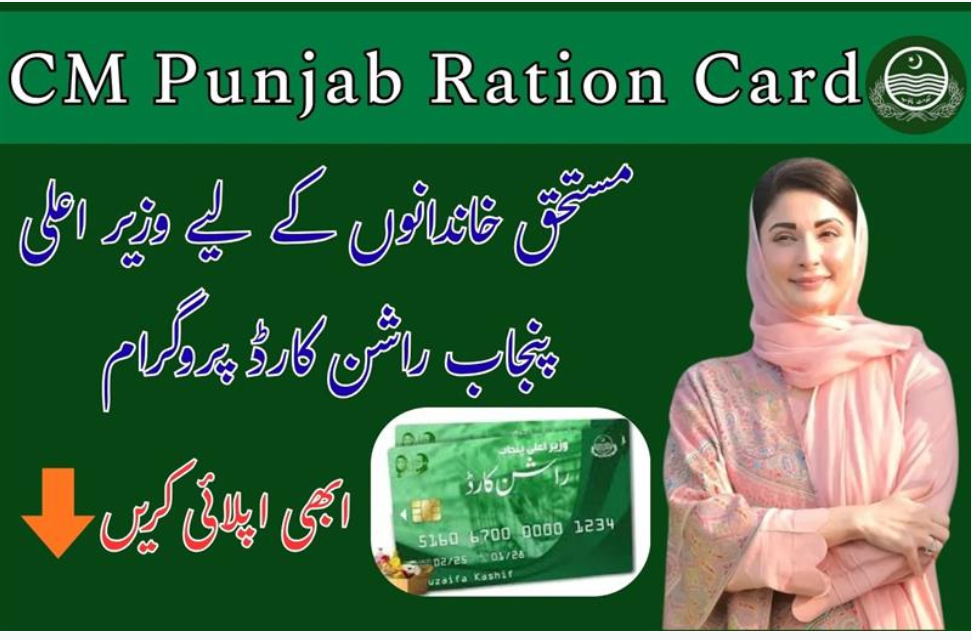
What is a Ration Card?
A ration card is basically a government-issued document that allows eligible families to buy essential food items at subsidized (lower) prices. These items usually include things like flour, sugar, rice, pulses, and sometimes cooking oil. In a similar way, programs like the BISP 8171 new card launch are also designed to provide financial support and make access to basic needs easier for eligible families
The main purpose is simple:
To make sure low-income families can afford basic food supplies, especially during times when prices are rising.
In many countries, ration cards are part of a public distribution system. In Pakistan, similar support is provided through programs like utility stores, subsidized ration schemes, and initiatives under the Ehsaas program.
Why Ration Cards Are Important
Let’s be real — inflation has made things harder for a lot of people. Grocery bills keep going up, and for many households, even basic items are becoming difficult to afford.
That’s where ration cards come in.
They help by:
- Reducing the cost of essential food items
- Supporting families with limited income
- Providing some level of financial relief
- Ensuring food security for vulnerable groups
It may not solve everything, but it definitely makes a difference — especially for families living paycheck to paycheck.
Who Can Get a Ration Card?
Not everyone automatically qualifies. Ration cards are usually meant for people who genuinely need support.
Eligibility typically depends on:
- Household income
- Family size
- Employment status
- Data from government surveys (like NSER in Pakistan)
People who are already part of welfare programs often have a higher chance of qualifying.
For example, if you’re registered under programs like BISP or Ehsaas, you may already be eligible for some form of ration support — even if it’s not called a “ration card” officially.
Types of Ration Cards
In some systems, ration cards are divided into categories depending on income level. While Pakistan doesn’t always use the same labels, the idea is still similar.
Here are common types used globally:
1. Priority Ration Card
For families below the poverty line. They get the highest level of subsidy.
2. Non-Priority Card
For middle-income households with limited benefits.
3. Special Category Cards
Issued to senior citizens, disabled individuals, or other vulnerable groups.
Even if the names differ, the goal remains the same — helping those who need it most.
How to Apply for a Ration Card
The process can vary depending on the program, but generally, it’s quite straightforward.
Here’s how it usually works:
- Visit the nearest registration center or official website
- Provide your CNIC and family details
- Submit required documents (income proof, utility bills, etc.)
- Wait for verification
Once your application is approved, you’ll either receive a physical card or be registered digitally in the system.
In Pakistan, many ration-related programs are now becoming digital, so you may not always receive a physical card — your CNIC can act as your identity.
Where Can You Use a Ration Card?
Ration cards are usually accepted at:
- Utility stores
- Government-approved shops
- Specific partner retailers
These places offer discounted items to registered users.
In recent years, the government has also partnered with private stores and franchises to expand access, making it easier for people to get subsidized items without traveling far.
Common Problems People Face
Even though the idea is simple, the system isn’t always perfect.
Some common issues include:
- Delays in registration or approval
- Limited availability of subsidized items
- Long queues at distribution points
- Lack of awareness about eligibility
Sometimes people don’t even know they qualify, so they miss out completely.
Tips to Make the Most of It
If you’re planning to apply or already have access to ration support, here are a few simple tips:
- Always keep your CNIC updated
- Check official announcements regularly
- Avoid agents asking for extra money
- Visit stores early to avoid rush
- Stay informed about subsidy changes
These small things can save you time and frustration.
Is the System Improving?
Yes, slowly but surely.
The government is working on improving transparency and efficiency through digital systems. Programs are now more connected with national databases, which helps reduce fraud and ensures that support reaches the right people.
There’s also a shift toward direct subsidies — where instead of giving items, the government provides financial assistance so people can buy what they need.
Future of Ration Support
Looking ahead, ration systems are expected to become more modern and accessible.
We might see:
- Mobile-based ration systems
- Digital wallets for subsidies
- Wider availability in local stores
- Faster verification processes
All of this points toward one goal: making support easier, quicker, and fairer.
Final Thoughts
A ration card, or any similar support system, might seem like a small thing — but for many families, it’s a lifeline.
It helps put food on the table, reduces financial stress, and gives people a bit of breathing room in tough times.
If you think you might be eligible, it’s worth checking. And if you already are, make sure you’re using it properly and staying updated.
Because at the end of the day, these programs are there to support you — you just need to know how to make the most of them.